Portfolio

Thank you for taking a look at my portfolio. Please note that this section mainly features my personal work and only a few of my professional projects.
Due to confidentiality agreements with previous clients, not all of my professional projects can be publicly displayed here.
If you are interested in viewing my complete portfolio or believe it would be relevant to your needs, please contact me.

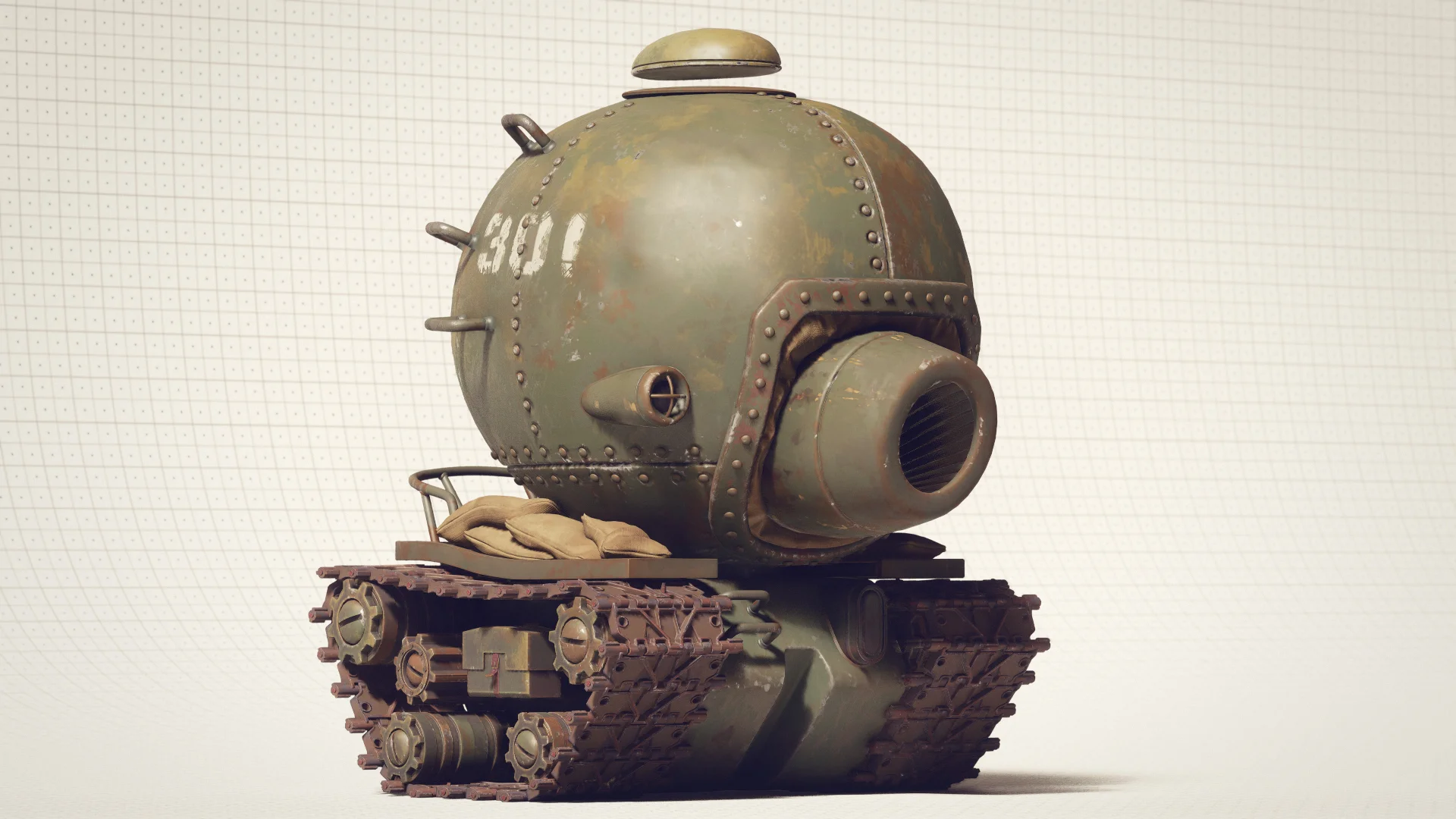
Based on concept art by Eric Elwell.
I’ve been aiming to incorporate Blender into my workflow for some time, and this piece was created as part of that learning process.
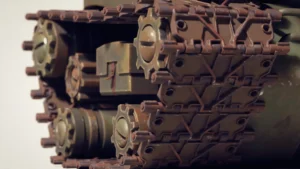
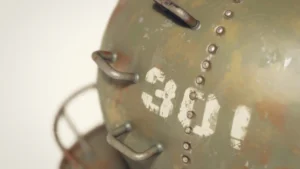
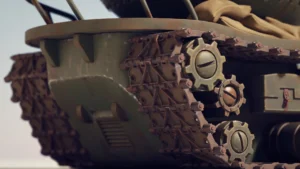
The result is a production-ready, AAA-style game asset featuring 200k triangles, with roughly half allocated to the track geometry. The asset uses six UV sets to maintain consistent texel density across all components.
The modeling was done in Blender, texturing in Substance Painter, and the final render in Unreal Engine 5.

A Quick Relighting Exercise.
Performance-Optimized, Physically Accurate Setup.
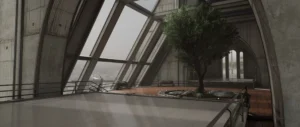
Relit an Unreal Engine Marketplace scene “Blueprints” with a focus on maximum performance and physically correct lighting/camera behavior.
Used minimal dynamic lighting, relying mainly on Lightmass baked lighting and cubemaps, with no ray-tracing effects to keep the scene highly efficient.

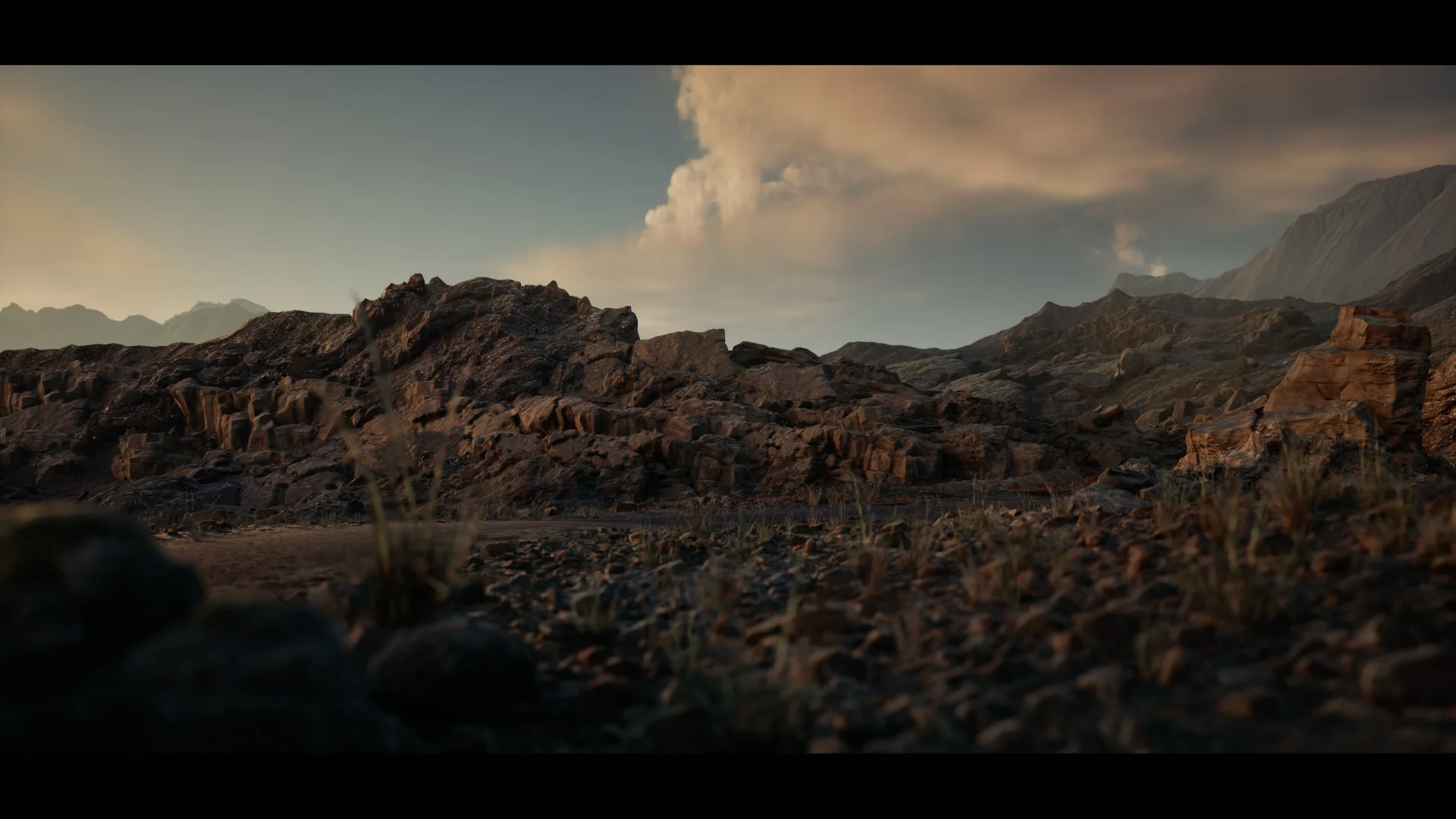
Lighting & Composition Doodle, Real-Time UE4 Study.
A quick personal project completed over a few days to sharpen my lighting and composition skills. Rendered entirely in real time in Unreal Engine 4, with extensive post-process work to explore multiple moods using color grading alone.

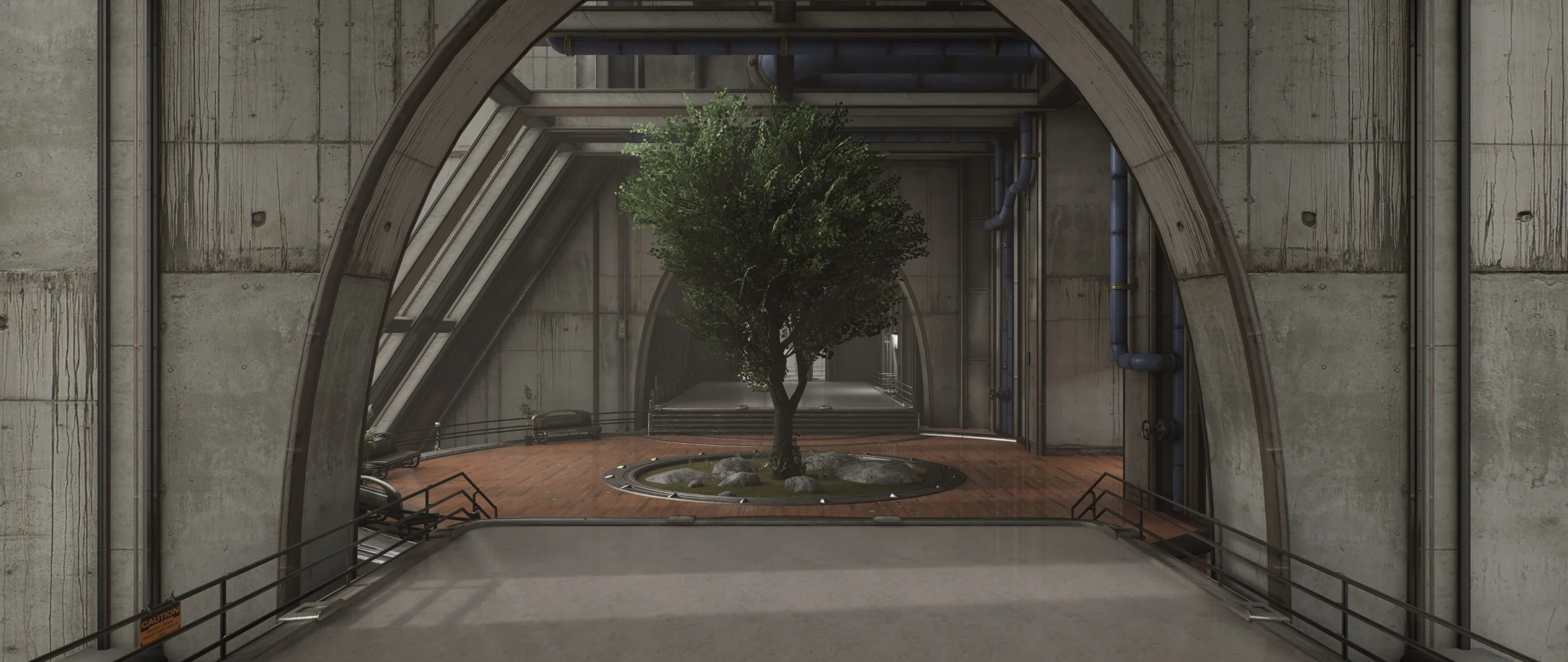
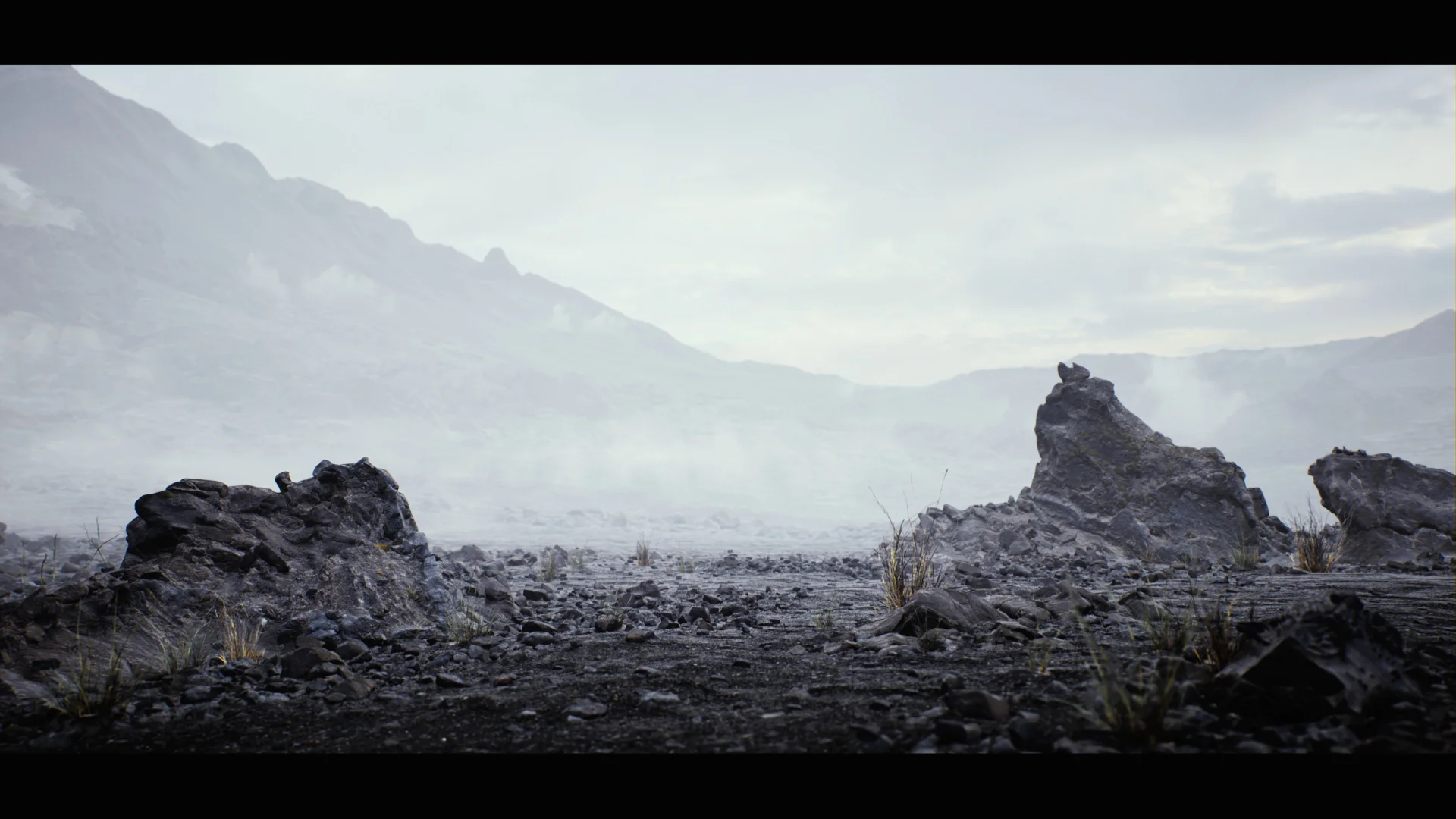
Real-Time UE5 Lighting & Composition Study.
The second part of my ongoing lighting and composition practice. This scene is rendered in real time in Unreal Engine 5, built with Megascans assets and fully leveraging Lumen for dynamic global illumination and reflections.

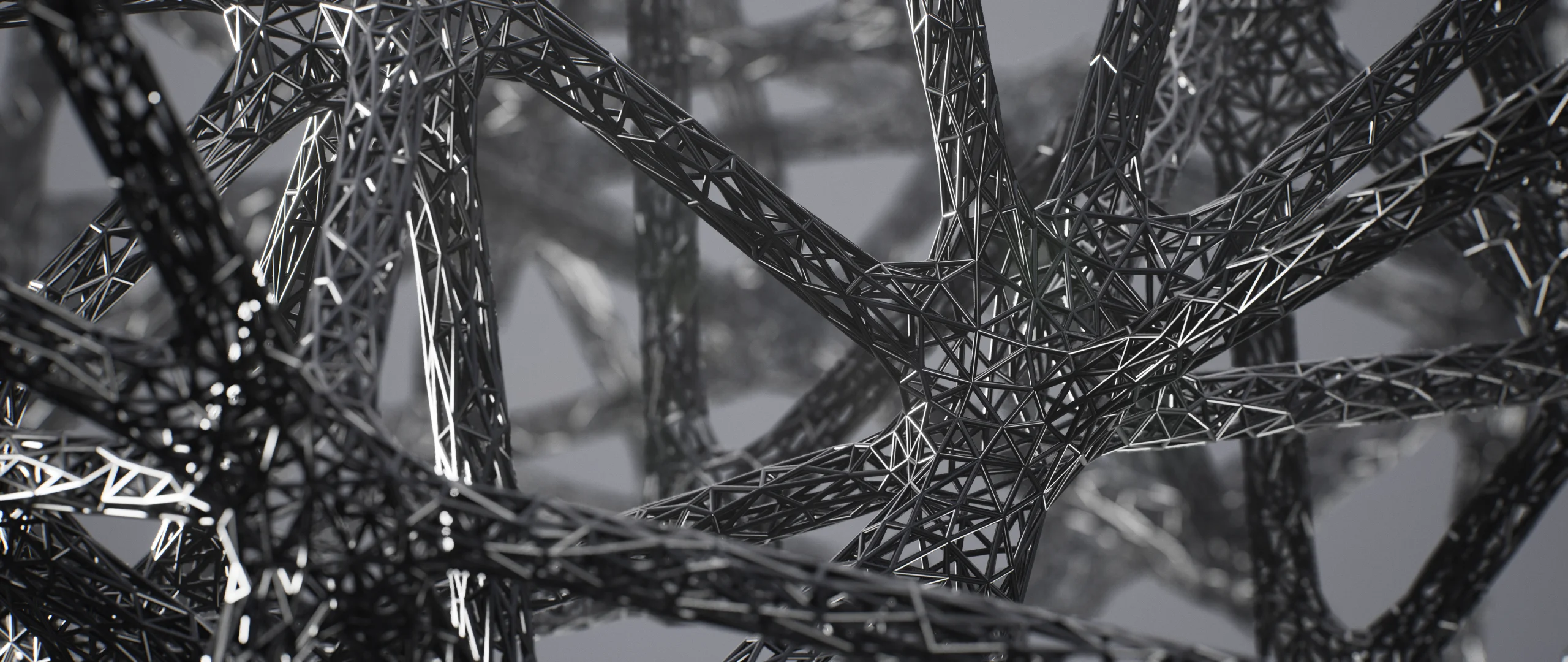
Net

Procedural generated mesh in Houdini, then brought it into UE4 for real-time shading and final rendering.
The project was an exploration of procedural workflows and a chance to push visual complexity while keeping the pipeline efficient.

Scan-Based Material Pipeline.
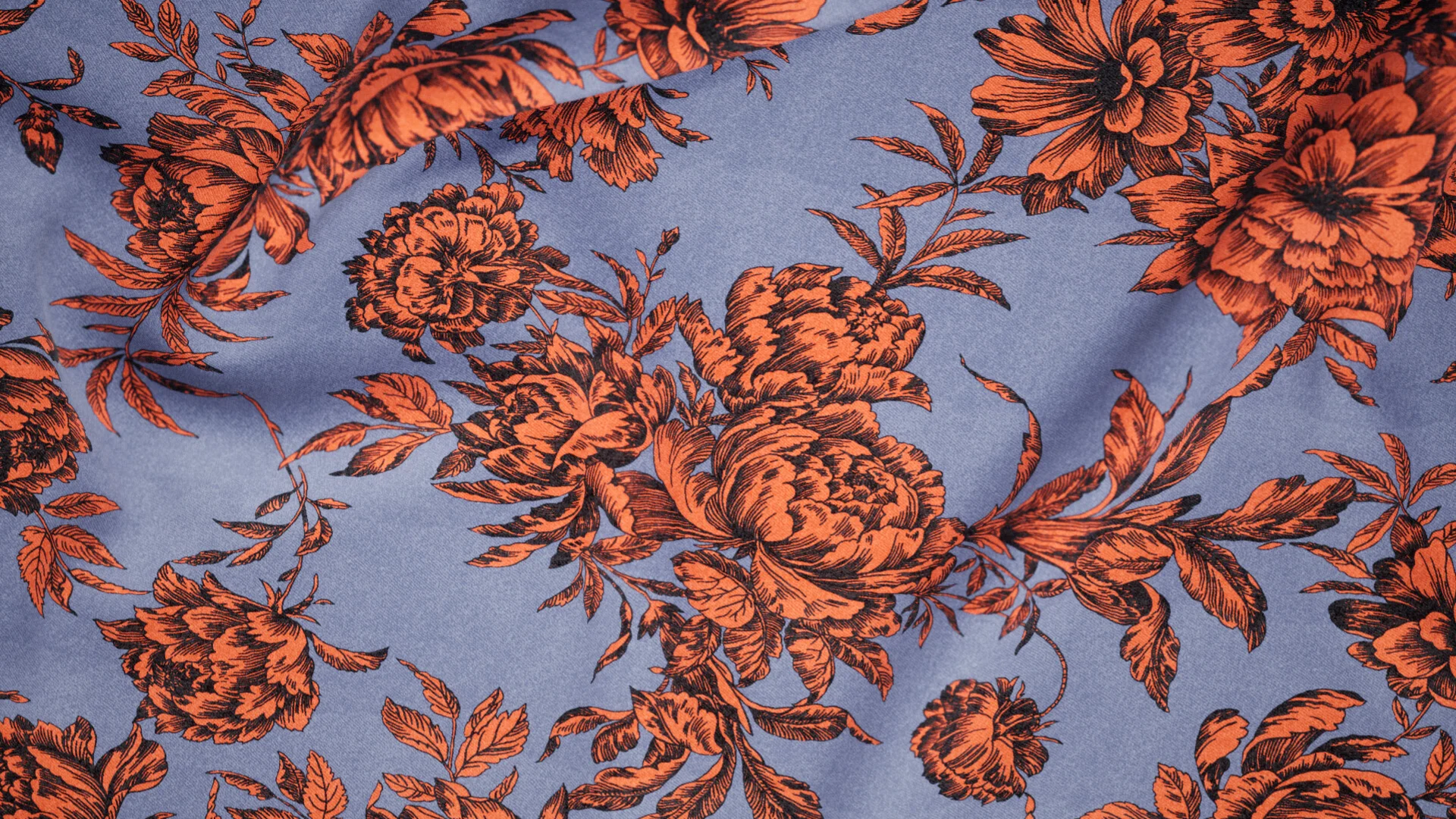
These materials are digital twins of real fabrics. Each base fabric begins with a Metis hardware scan, then receives cleanup and refinement in Substance Designer, while the pattern work is created in Photoshop.
The custom shader allows control over multiple fabric bases (wool, cotton, silk, etc.), per-mask color variations, ink absorption behavior, and layered detail levels.


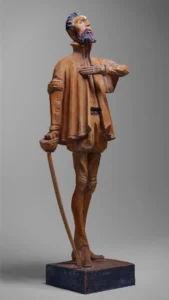
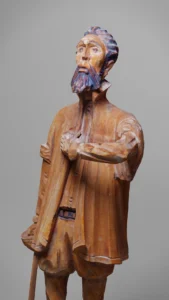
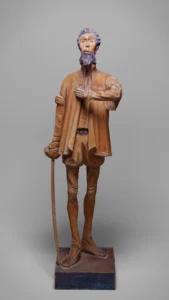
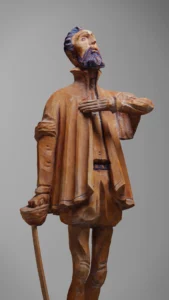
A one-day photogrammetry study of a Don Quixote statue. This was my first complete photogrammetry workflow, including a 292-photo capture session (roughly three-quarters of the project time) followed by model reconstruction. The focus of the exercise was validating the end-to-end pipeline; in a full production pass, this would naturally be followed additional time dedicated to mesh optimization.
The test produced a solid result and served as a valuable benchmark for future photogrammetry work.

Scroll to Top